Image
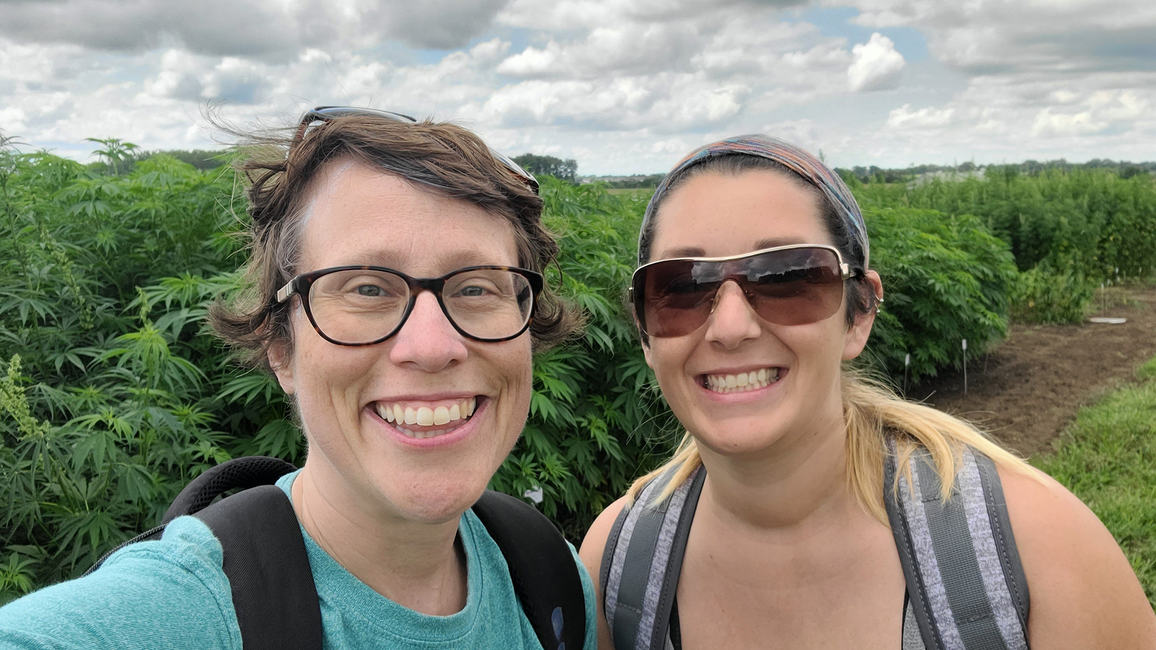



A new peer-reviewed study led by University of Illinois Springfield Associate Professor of Environmental Studies Megan Styles, part of the College of Health, Science and Technology, provides an in-depth look at the challenges CBD hemp farmers face in Illinois. The study has become increasingly relevant after recent federal action changed the legal definition of hemp, raising questions about whether CBD products can continue to be produced and sold.
The article, “CBD Hemp Pharming in Illinois: Working to Legitimize an Enduringly Illicit Crop,” was co-authored with Courtney Roberts, who completed this research as a UIS undergraduate student before earning her bachelor’s degree in Environmental Studies in 2024. The study was published in Culture, Agriculture, Food and Environment and is based on extensive interviews and observations with hemp growers across Illinois.
The research shows that even six years after hemp was legalized under the 2018 U.S. Farm Bill, many farmers still feel as though they are operating in a gray area. Although CBD hemp is legal, growers reported ongoing stigma, unclear regulations and uneven enforcement. Farmers described repeated confusion among regulators and law enforcement about the difference between hemp and marijuana, surprise inspections, difficulty securing banking services and local licensing issues that caused some growers to lose their state hemp licenses despite their best attempts to follow the rules.
The urgency of the study’s findings has grown following the Nov. 12 signing of a federal budget bill that reopened the government. The Continuing Appropriations and Extensions Act, 2026, permanently changes the federal definition of hemp and creates strict new limits on hemp-derived cannabinoid products. The changes take effect in November 2026 and are expected to outlaw most intoxicating hemp-derived THC products. They could also affect many CBD products, depending on how they are made and the amount of THC they contain.
“The new federal language amplifies the uncertainty farmers described during our research,” Styles said. “The study shows that Illinois hemp farmers have been working for years to legitimize their operations. This sudden policy shift could erase that progress and jeopardize small farm livelihoods across the country.”
The study also examines 2024 efforts in Illinois to change the state’s definition of hemp. Farmers interviewed for the project believed the proposal would have eliminated most CBD products or required growers to secure expensive recreational or medicinal cannabis licenses that small farmers cannot afford. The bill did not pass, but growers remain concerned that future legislation in Illinois and across the country may continue to favor large cannabis companies over smaller producers. Many told UIS researchers that hemp, not marijuana, offers the most attainable path for minority and disadvantaged farmers to enter the cannabis industry.
“There is a clear need for evidence-based policymaking,” Styles said. “Hemp farmers’ experiences offer important insight into how regulations affect rural communities, consumer safety and the future of the cannabis industry.”