Image


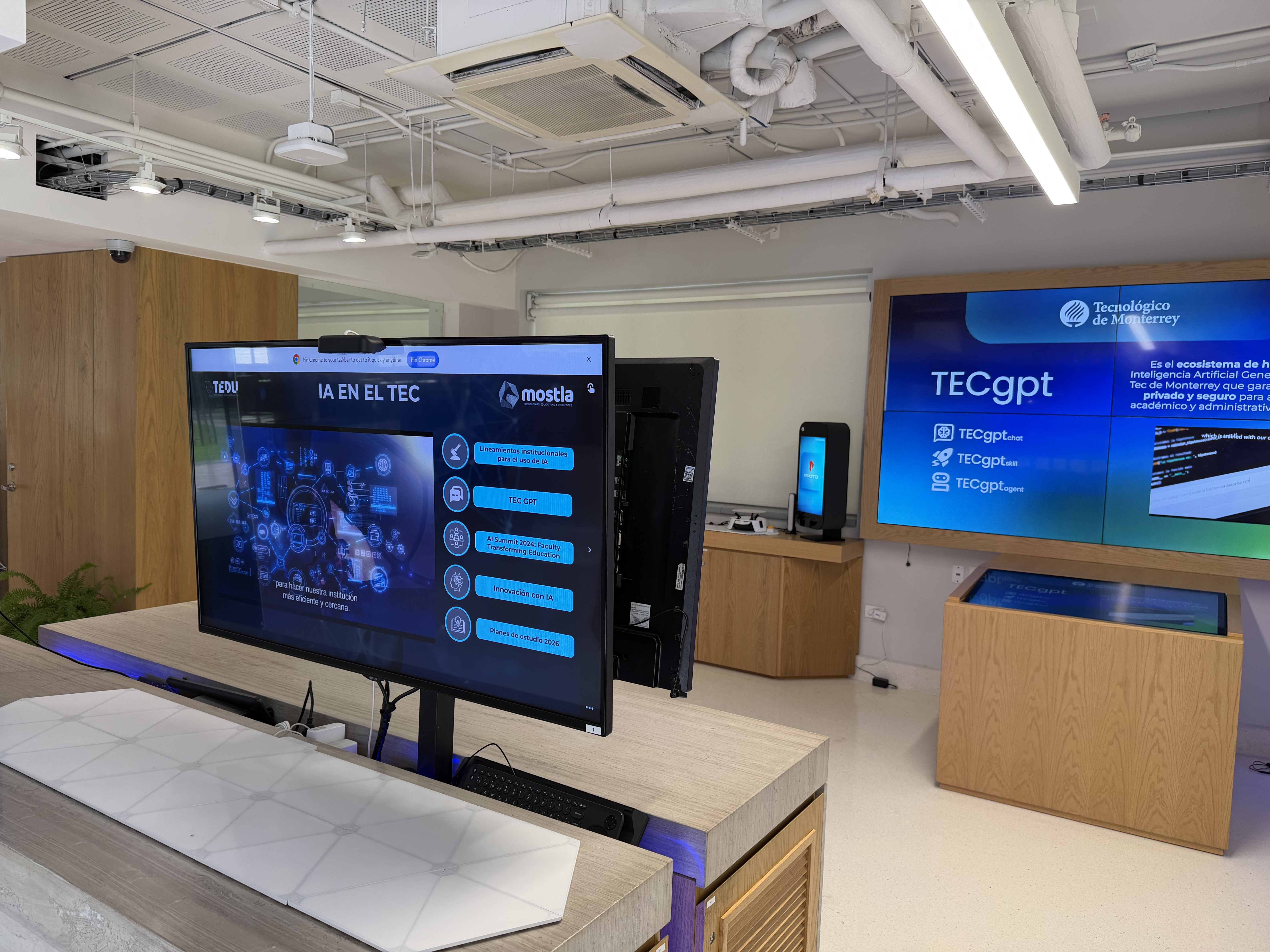
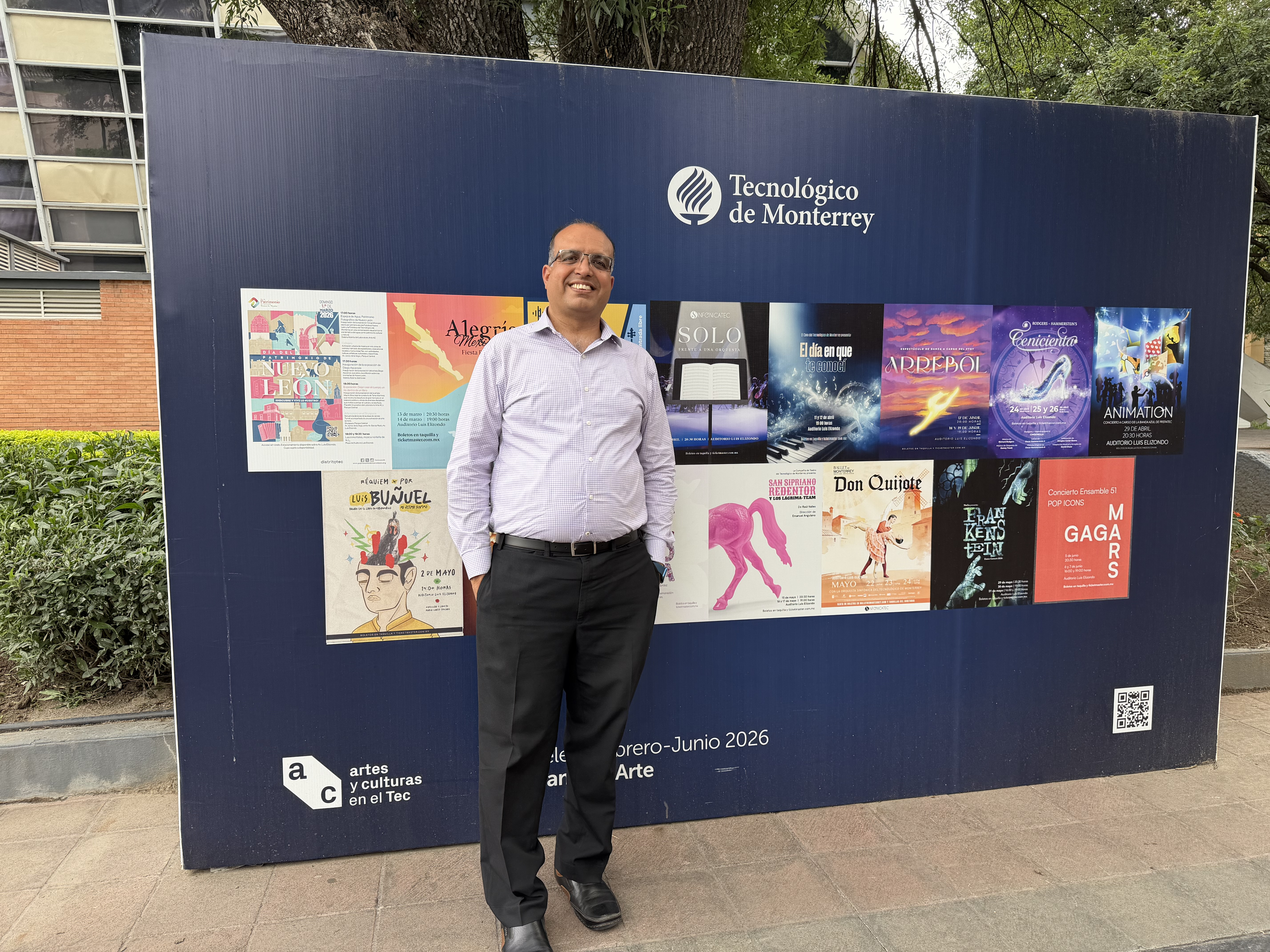
Sudeep Sharma, associate professor of management in the University of Illinois Springfield College of Business and Management, recently traveled to Mexico as part of the University of Illinois System's I-MMÁS: Mexican and Mexican American Students Initiative. Through the initiative, Sharma was selected for a prestigious Faculty Mobility Fellowship at Tecnológico de Monterrey, one of Latin America's leading universities.
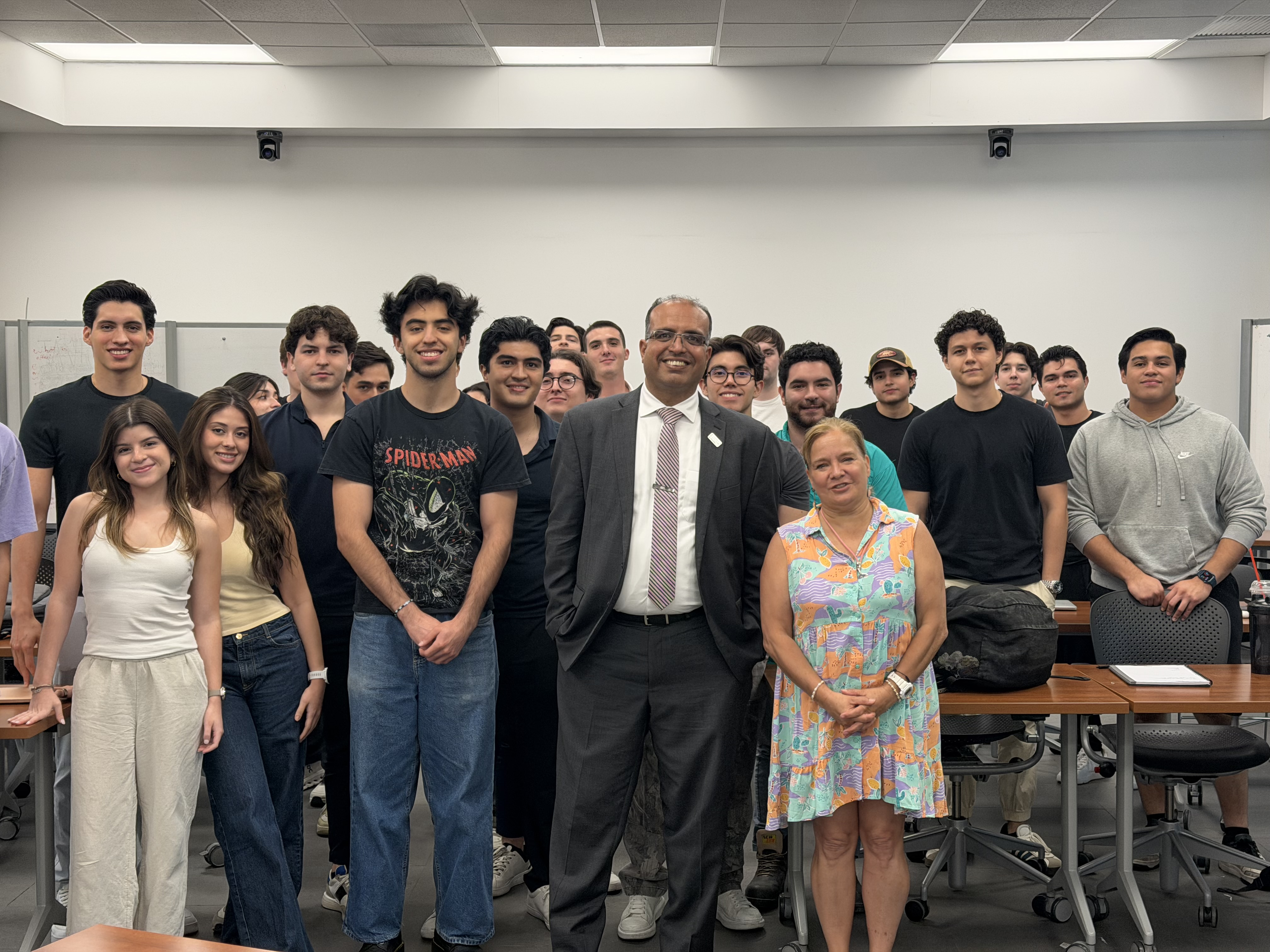
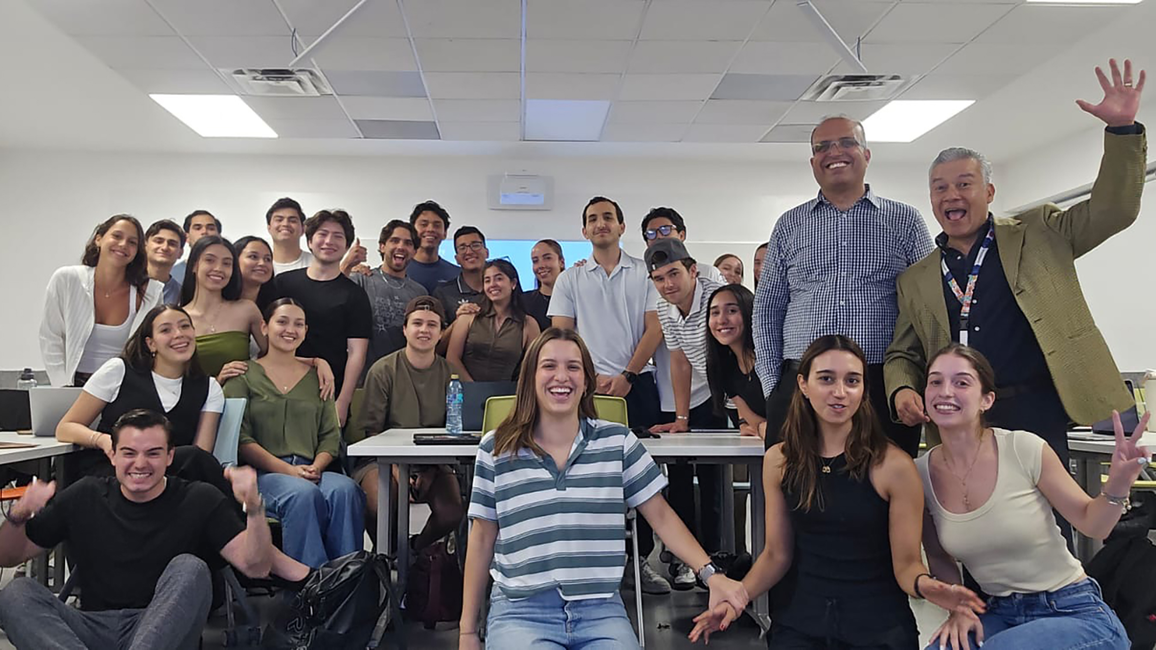
The Faculty Mobility Fellowship is designed to strengthen international academic collaboration and knowledge exchange. Sharma served as a visiting professor in Tecnológico de Monterrey's Business School, where he collaborated with faculty members, shared his research and engaged students in discussions on negotiation, conflict management and career development.
“I was selected for a prestigious short-term Faculty Mobility Fellowship at Tecnológico de Monterrey, an opportunity designed to foster international academic collaboration and knowledge exchange,” Sharma said. “Through this fellowship, I worked closely with faculty members to explore and develop collaborative research opportunities in the areas of negotiation and conflict management, with a particular emphasis on understanding how cultural, organizational and interpersonal dynamics influence negotiation outcomes.”
During the visit, Sharma and faculty at Tecnológico de Monterrey discussed future collaborative opportunities between the two institutions. One of the most promising ideas involves creating a joint experiential learning initiative connecting students from both universities through virtual cross-cultural negotiation simulations.
“We discussed two immediate collaborative opportunities,” Sharma said. “First, we explored creating a joint experiential learning initiative that would bring together students from the business school at TEC Monterrey and students from the College of Business and Management at the University of Illinois Springfield.”
Through virtual platforms such as Zoom and Microsoft Teams, students would participate in hands-on negotiation exercises designed to help them understand the challenges and opportunities of working across cultures. Faculty from both institutions also discussed using data generated through the simulations to support future research examining how cultural intelligence, emotion and trust influence success in cross-cultural negotiations.
Sharma said the partnership could provide meaningful benefits for UIS students by helping them develop skills that are increasingly important in today's global workforce.
“Given many companies involve cross-cultural virtual teams, the learning from the participations in these cross-cultural experiments and simulations will help our students in developing several competencies, such as negotiation skills, team skills in cross-cultural context, interpersonal relationship skills, virtual collaboration, conflict resolution, global business awareness, and adaptability,” Sharma said. “These competencies are very critical to be effective global professionals.”
In addition to exploring future partnerships, Sharma presented research examining what makes individuals effective negotiators and how communication styles influence conflict and dispute resolution. He also led discussions with students on cross-cultural negotiation and job and career negotiations.
“I shared my recent research across the topics in which we examine individuals’ characteristics and behaviors in negotiation to explore what makes them effective negotiators and why so,” Sharma said. “I also shared the research how interest-, rights-, and power-approach based communication styles evolve in dispute resolutions.”
The presentations generated strong interest among faculty and students. Discussions focused on the practical applications of negotiation research and how communication approaches can influence conflict resolution outcomes.
Looking ahead, Sharma said both institutions are interested in expanding the relationship through research collaboration, student engagement and future faculty exchanges.
“The next steps are for us to determine the logistic aspects of organizing those negotiation simulations,” Sharma said. “We also hope to have future faculty exchanges between the two institutions through their faculty mobility program, as well as to have frequent student interactions, both in-person and virtually.”
The University of Illinois System's I-MMÁS: Mexican and Mexican American Students Initiative seeks to increase the recruitment of Mexican and Mexican American students across the U of I System while building strong partnerships with academic, research and private-sector institutions in Mexico. Sharma's participation in the Faculty Mobility Fellowship supports those goals by strengthening international collaboration and creating new opportunities for student engagement, faculty exchange and joint research between UIS and Tecnológico de Monterrey.