Image
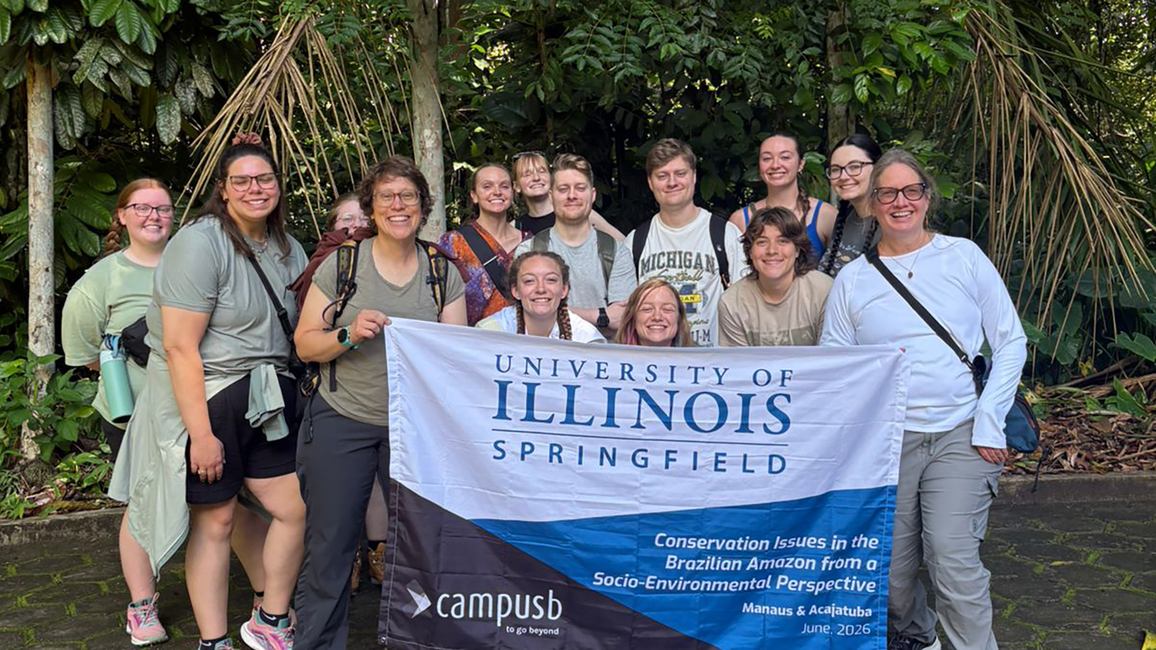



A group of University of Illinois Springfield students recently traveled to Brazil’s Amazon region for a study away experience that combined environmental science, biology, culture and conservation.
The course, led by Megan Styles, UIS professor of environmental studies, and Amy McEuen, professor of biology, gave students the opportunity to explore one of the world’s most important ecosystems while learning directly from local communities, scientists and university students.
“We wanted students to have a chance to experience this ecosystem first-hand and learn from local experts (including riverside villagers, scientists and Brazilian students) about conservation challenges and daily life in this incredibly famous place,” Styles said.
The study away program grew out of Styles’ participation in a University of Illinois System delegation to Brazil in 2025 through the Brasillinois initiative, which strengthens partnerships between Brazilian institutions and the University of Illinois System. Styles later partnered with McEuen to develop an interdisciplinary course examining conservation issues through the lenses of environmental studies and biology.
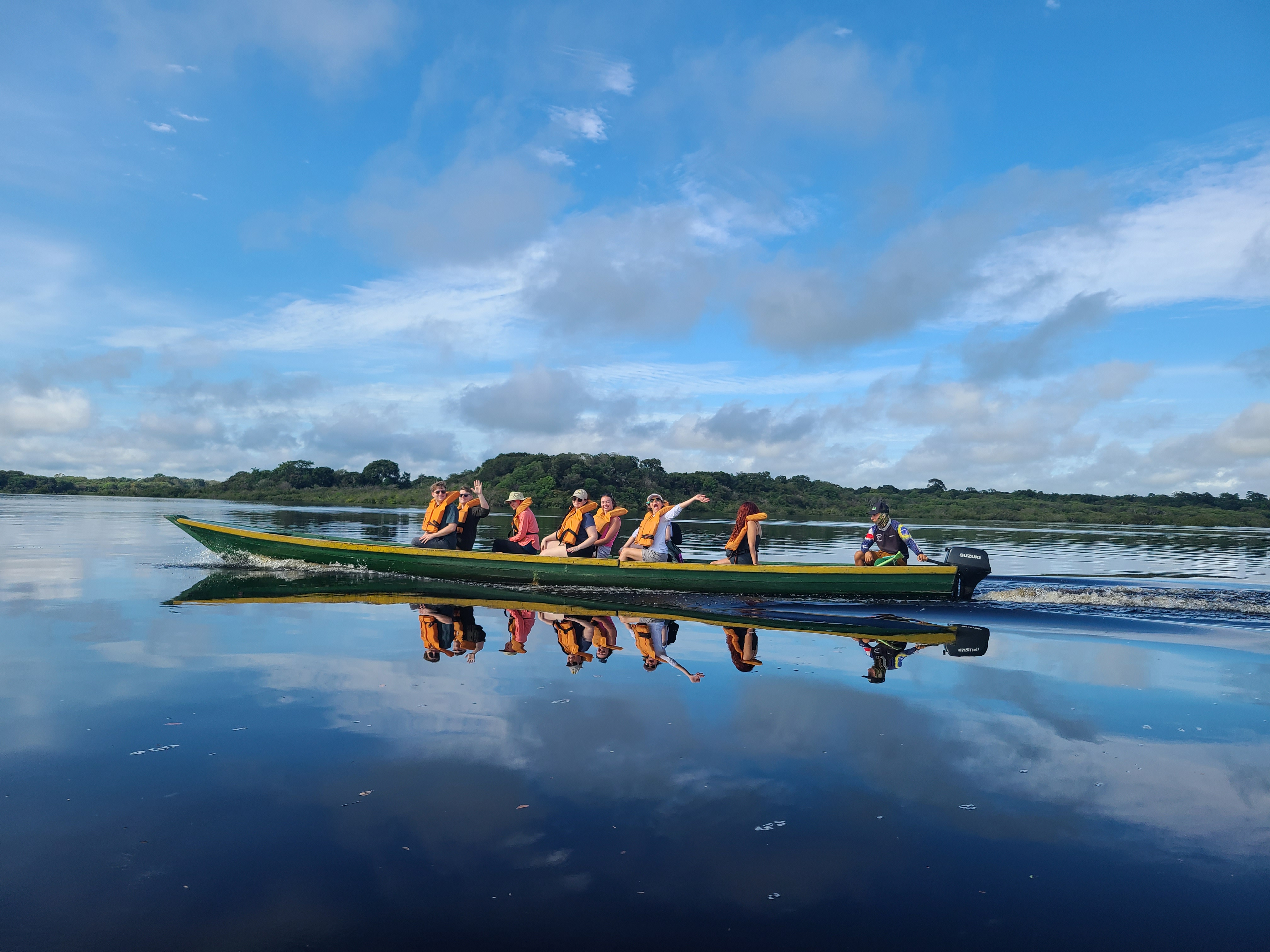
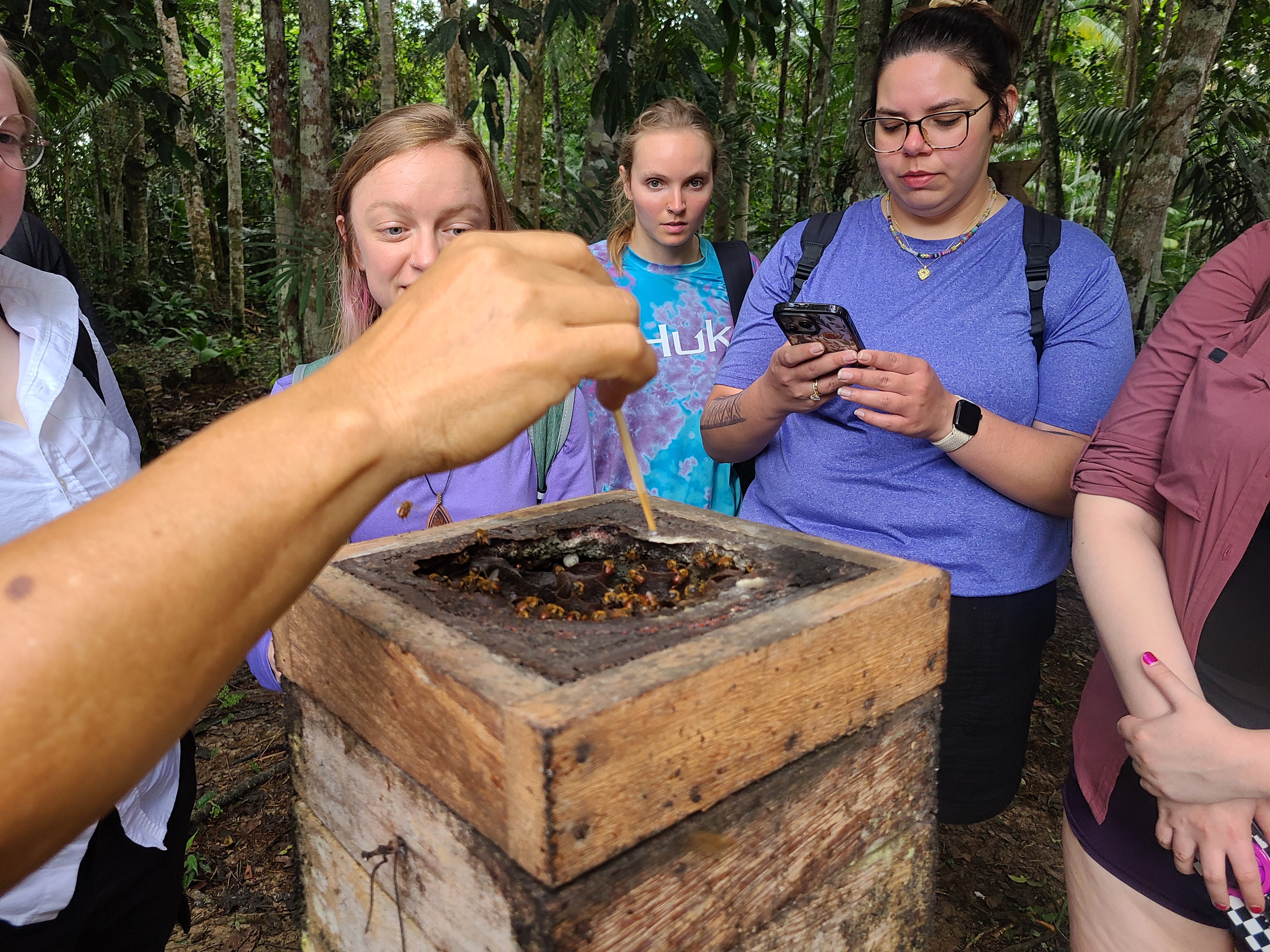
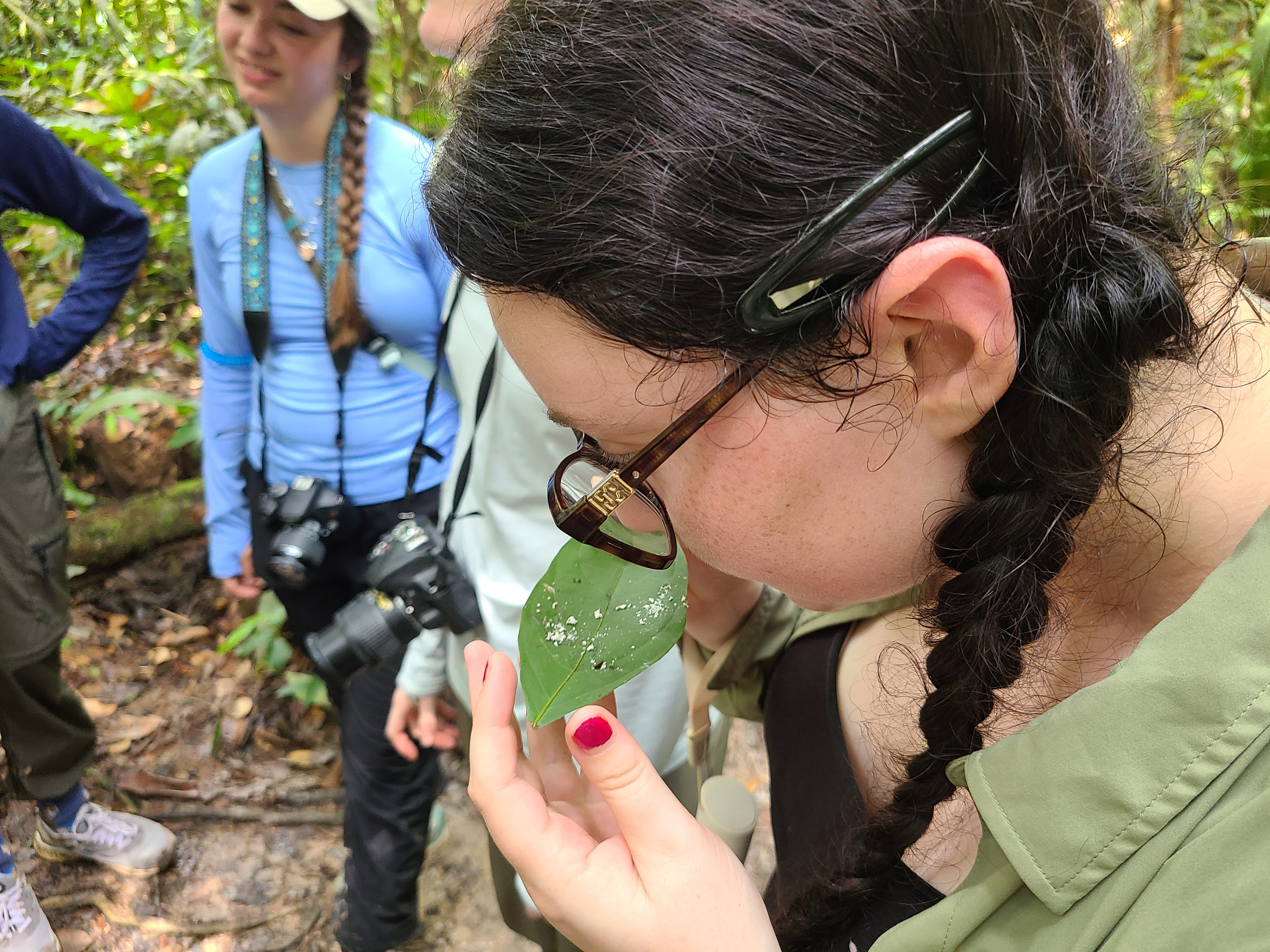
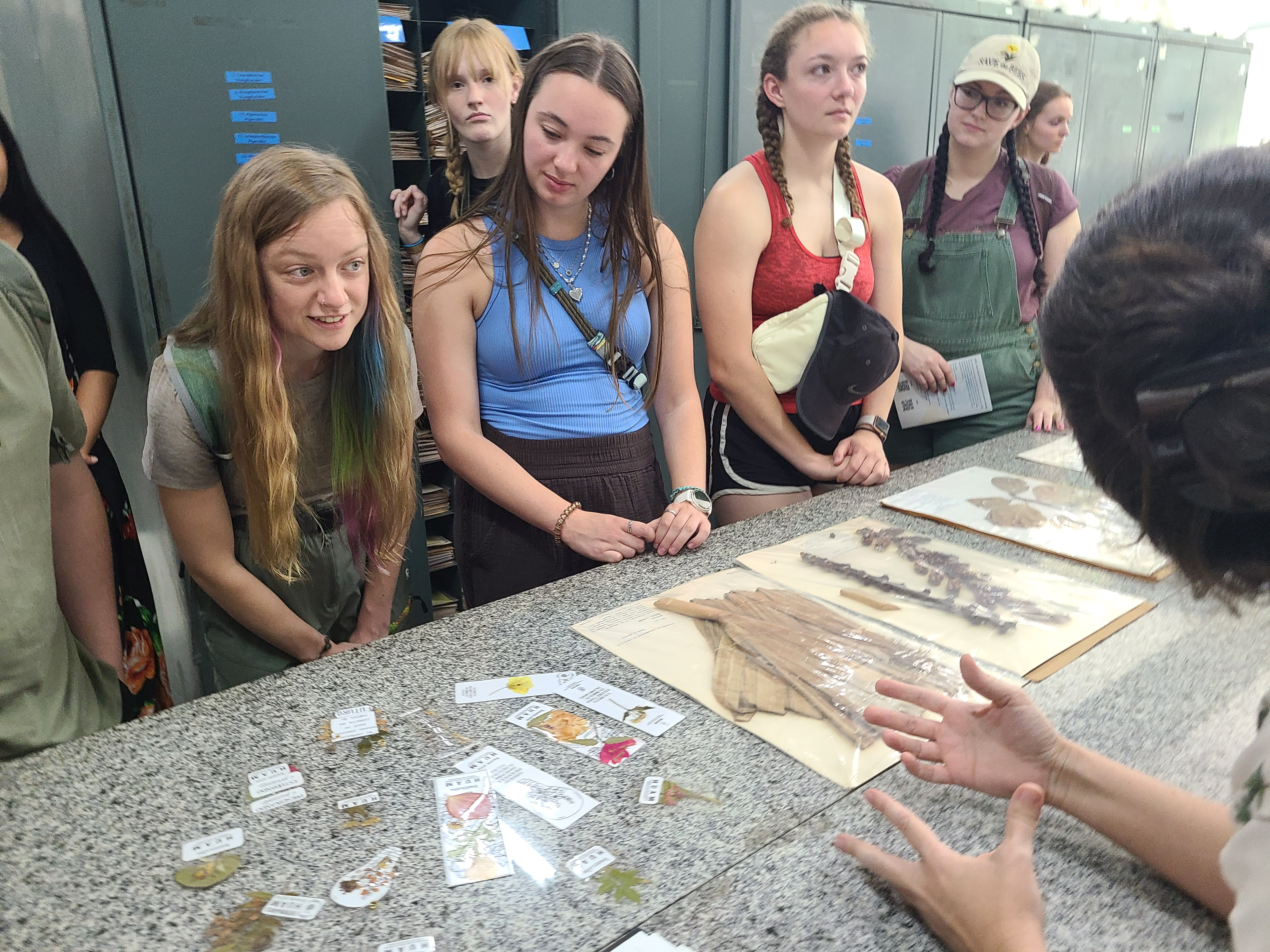
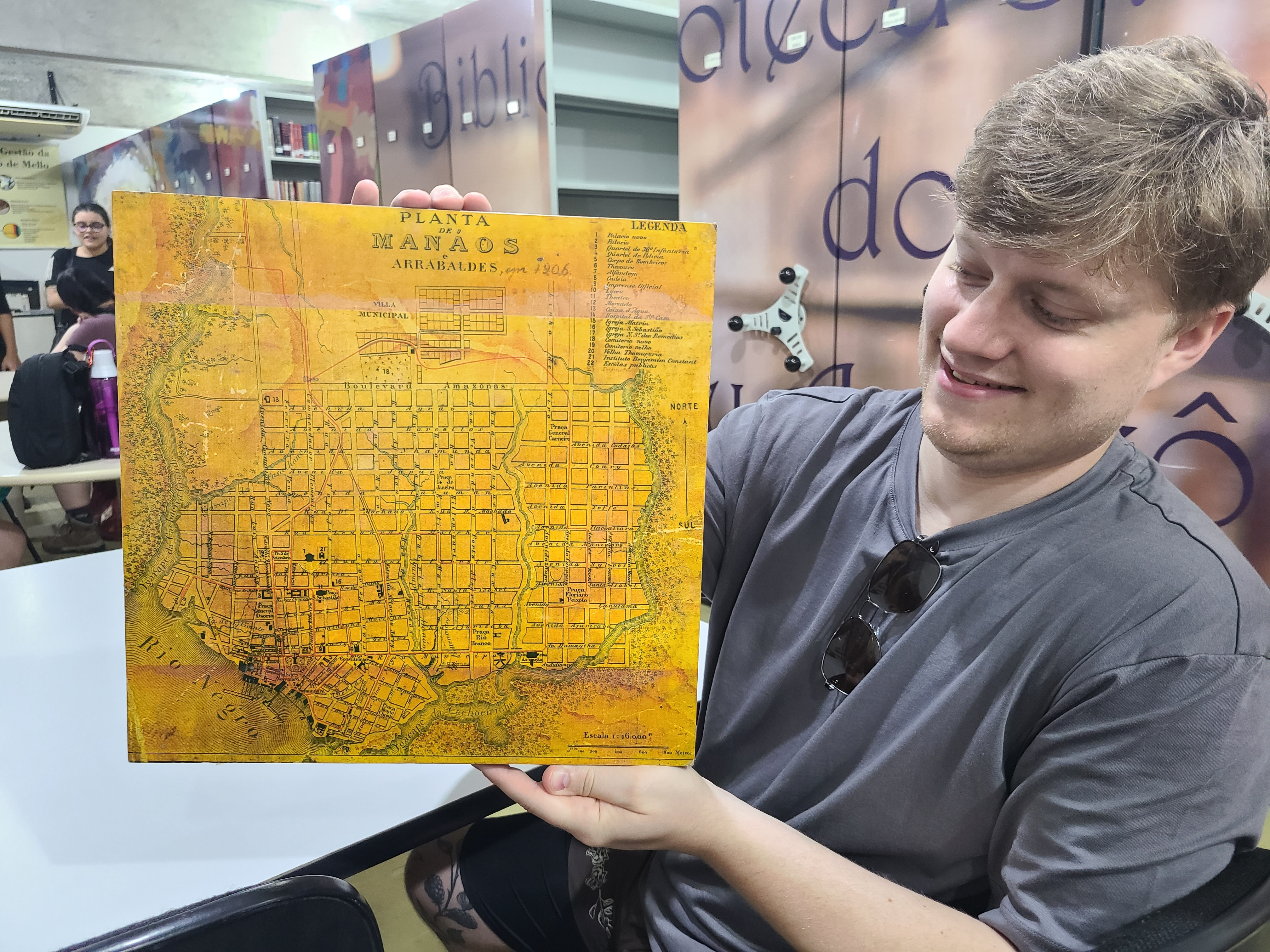
The group traveled to Manaus and Acajatuba, a small river village along the Rio Negro in the Amazon rainforest. Students learned from local communities through workshops on açaí harvesting, manioc processing, stingless beekeeping and medicinal plants, while also visiting the nonprofit Fundação Amazônia Sustentável and the Universidade Federal do Amazonas (UFAM).
Before traveling, students studied tropical ecology, Brazilian history and culture, biodiversity conservation, Indigenous agricultural practices and sustainability initiatives. Each student also researched a topic related to the Amazon region.
“We tend to think of the Amazon River and forest in strictly ecological terms, but these landscapes have been, and are being, shaped by humans. We really wanted students to understand that conservation must involve both ecological and social research,” McEuen said.
Kathleen Toomey, a UIS student who participated in the trip, said the experience brought classroom lessons to life.
“I feel like I learned a lot, both academically and personally,” Toomey said. “The workshops we did while we were staying in the rainforest were all really informative, and all had a hands-on element that really reinforced the information.”
She also called swimming with the Amazon's famous pink river dolphins one of the highlights of the trip.
“We did so much on the trip, it's hard for me to pick out just a few highlights, but I think my favorite activity we did was getting to swim with the pink river dolphins,” Toomey said. “Seeing these amazing creatures up close, actually getting to touch them and feel them swimming around you, seeing how powerful they are was truly so amazing.”
Angelea Cooke, a UIS student who also participated in the study away experience, said connecting with people across Brazil left a lasting impression.
“Throughout all our time in Brazil, the most constant highlights were the people we met,” Cooke said. “People were so generous with their knowledge and hospitality everywhere we went. I never felt quite ready to leave because there was still so much more to learn.”
Cooke encouraged other students to take advantage of study away opportunities.
“I'd definitely recommend studying away to other students,” Cooke said. “I'd encourage them to soak up everything they can along the way with an open mind. It's very fulfilling to see what we've studied right in front of us, and to find new ways of seeing and understanding that change how we go about our lives.”
Styles said the immersive experiences helped students gain a deeper appreciation for the knowledge local communities have developed over generations.
“Every demonstration we attended helped us understand the depth of traditional ecological knowledge and how it has developed and been transmitted over generations,” Styles said.
The study away experience was supported by the University of Illinois System's Brasillinois initiative, the UIS College of Health, Science and Technology and donor-funded student scholarships.