Image



When I was applying to college, as the first person in my family to attend, there were a lot of terms I didn’t know. I would try to ask my mother, but since she never attended college, she didn’t know many of them either. Enrolling seemed difficult because this new vocabulary was confusing and frustrating. Terms that seemed natural to everyone else felt completely new to me, and I was sometimes afraid to ask questions because I thought I should already understand them.
Over time, I realized that not knowing these terms didn’t mean I wasn’t prepared for college. I was simply learning how to navigate a new environment. Learning these unfamiliar terms was part of learning how to navigate college.
Asking questions can be intimidating. But it’s also an important part of learning. Below are some of the terms I wish I’d known when I was applying to UIS. They’re highlighted in three main areas: Financial Aid and Money, Academic and Enrollment Terms and UIS Buildings and Abbreviations.
Keep asking questions and keep learning. We can’t wait to see you at UIS.
Bursar — The bursar is a person who manages the funds and accounts of a university. The Bursar's Office is different from the Financial Aid Office. The Bursar's Office is where you pay your tuition.
Federal Grant — This is a type of financial assistance from the federal government. Grants don’t usually require repayment.
Financial Aid — Money students receive to help pay for college. Financial aid can come from the federal or state government, a college or university or a private organization. It can include grants, scholarships, loans and work-study. The UIS Financial Aid Office can you help navigate these different types of aid.
Scholarship — A type of financial aid that doesn’t require repayment. Scholarships are based on different things. This can include academic achievement, financial need, activities, interests or other criteria.
State Grant — This is a type of financial aid from a state government. Grants don’t usually require repayment.
Subsidized Loan — These are federal student loans. The federal government generally pays the interest while the student is enrolled at least half time and during the six-month grace period after the student graduates, leaves school or drops below half-time enrollment.
Unsubsidized Loan — These are also federal student loans. The borrower is responsible for paying the interest from the beginning of the loan.


Academic Adviser — A college employee who helps students understand degree requirements, choose courses and plan their academic progress.
Add/Drop — A period at the beginning of a semester when students can add or drop courses without completing the regular withdrawal process.
Core Requirements — Courses that students must complete as part of their degree requirements.
Prerequisites — A course or requirement that you must complete before you can take another course. For example, you may need to complete Course A before enrolling in Course B. You might also hear people refer to these as “pre-reqs.”
Course Catalog — A list of the courses offered by a college or university. The catalog includes course descriptions, credit hours, prerequisites and other information students need to choose classes.
Credit Hour — A unit used to measure the amount of academic work completed for a course. Most college courses are worth a certain number of credit hours.
Degree Audit — A report that compares your academic history with your degree requirements and shows what you have completed and what you still need to graduate.
First-Generation College Student — A student whose parent(s) or guardian(s) did not complete a traditional, residential four-year college degree.
Office Hours — Times when a professor is available to meet with students outside of class to ask questions or get help.
Registrar — The college office responsible for academic records, course registration, transcripts, graduation applications and related services.
Transcript — An official record of the courses you have taken, grades you have received and academic progress.
Withdrawal — The process of officially leaving a course after the add/drop period. Withdrawing from a course may affect your grades, financial aid or progress toward your degree.
Living-Learning Community (LLC) —Students with similar academic goals, majors or interests live together in a residence hall. The Office of Residence Life sponsors this program. LLC members participate in activities and programs related to their interests.
UIS offers the following LLC’s: Capital Scholars Honors Program (CAP Honors), Leadership for Life (L4L), Necessary Steps Mentoring Program (NSMP), Pre-Nursing Pathways and Students Transitioning for Academic Retention and Success (STARS).
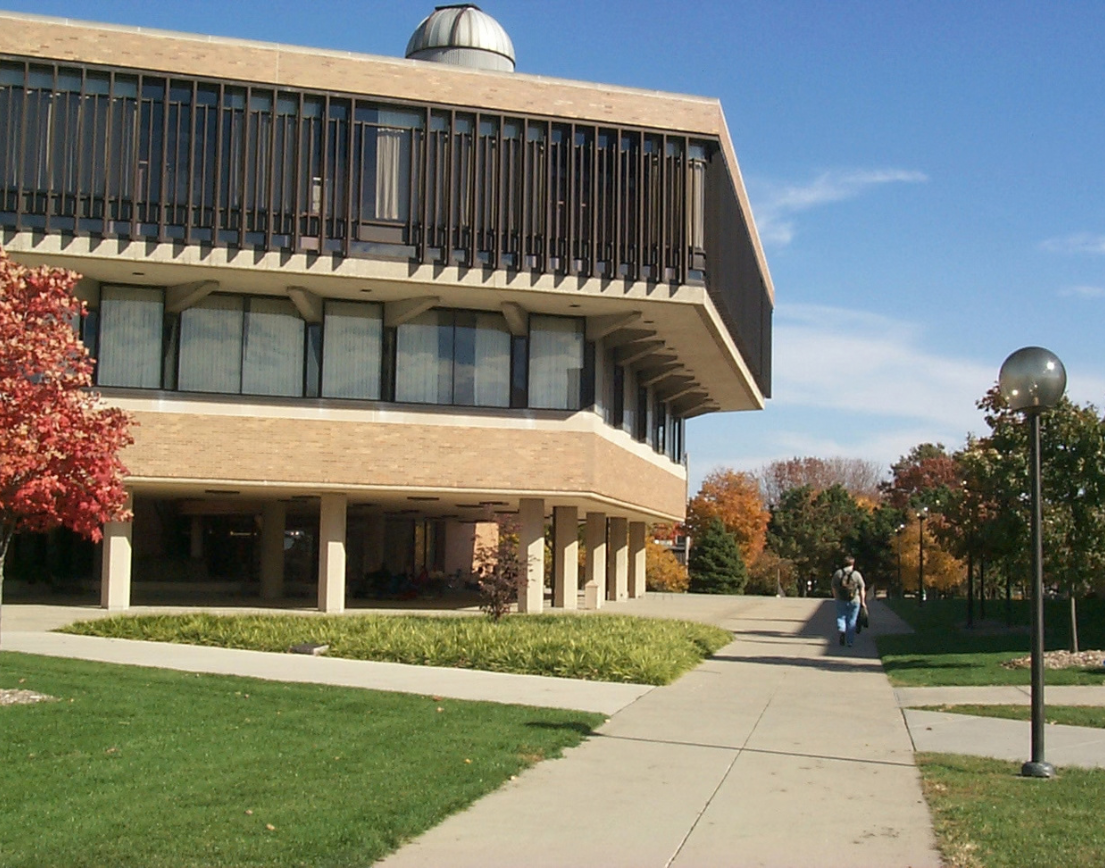
Brookens Library (BRK) — Main campus library.
Business Services Building (BSB) — Houses business and administrative offices.
Health Sciences Building (HSB) — Houses science labs and classrooms.
Human Resources Building (HRB) — Houses Human Resources offices.
Public Affairs Center (PAC) — Houses academic offices and classrooms, as well as the UIS Performing Arts Center and Sangamon Auditorium.
Recreation and Athletic Center (REC) — Fitness and sports facility, also known as TRAC.
Student Affairs Building (SAB) — Houses student support services.
Student Life Building (SLB) — Houses student organization spaces.
Student Union (UNION) — Dining and gathering space.
The Recreation and Athletic Center (TRAC) — Fitness and sports facility, also known as the REC.
University Hall Building (UHB) — Houses classrooms and faculty offices.
Visual and Performing Arts Building (VPA) — Houses art and music spaces. See UIS's visual arts programs.