
Division of Academic Affairs
Annual Impact Report
2025-26
Advancing Student Success. Driving Innovation. Strengthening UIS.
Celebrating Our Collective Impact
At the heart of Academic Affairs are the students who come to UIS with goals, questions, responsibilities, talents, and hopes for what their education can make possible. During 2025–26, faculty, staff, and partners across the division helped make those experiences more connected, more supported, and more purposeful. Through teaching, advising, academic support, research mentorship, internships, civic engagement, and community-based projects, students strengthened their skills, built confidence, formed meaningful relationships, and prepared to contribute far beyond the university.
Student-centered purpose has shaped work across the division. Academic Affairs strengthened student support, expanded transformative learning opportunities, invested in faculty and staff excellence, launched programs aligned with emerging needs, used evidence to guide planning, and deepened UIS’ role as a public regional university. Together, these efforts reflect a shared commitment to helping every UIS student thrive while strengthening the mission and long-term future of the university.
This report tells a story lived out through the people, programs, partnerships, and progress that shaped the year. It offers a snapshot of meaningful work taking place across Academic Affairs and celebrates the faculty, staff, students, and community partners whose daily efforts make that work possible.
Contents
- Supporting Every Student to Achieve Their Goals
- Advancing Student Success Through Transformative Learning
- Empowering Faculty and Staff to Excel
- Creating Mission-Aligned, Market-Responsive Programs
- Using Evidence to Strengthen Student Success and Sustainability
- Deepening Belonging, Engagement, and Regional Impact
- Looking Ahead
Supporting Every Student to Achieve Their Goals
NorthStar Focus: Student-Centered
Student success is not the work of one office, one program, or one moment in a student’s journey. It is the result of many people paying attention, removing barriers, opening doors, and helping students find their next step. Throughout 2025–26, Academic Affairs strengthened this shared ecosystem of support across advising, academic support, accessibility, first-year programs, internships, and co-curricular learning experiences. Faculty and staff worked together so students could receive timely guidance, meaningful opportunities, and the support needed to persist and succeed.
The NACADA (Global Community for Academic Advising)/Higher Learning Commission (HLC) Quality Initiative Steering Committee developed recommendations to strengthen advising through greater coordination, improved course scheduling, enhanced communication, and new assessment practices. The Center for Academic Success and Advising (CASA) continued to meet students where they are through the popular “Advisor is In” initiative in the Student Union, placing advisors in a convenient location for walk-up support. A comprehensive advising handbook also helped strengthen training and consistency for advisors across UIS.
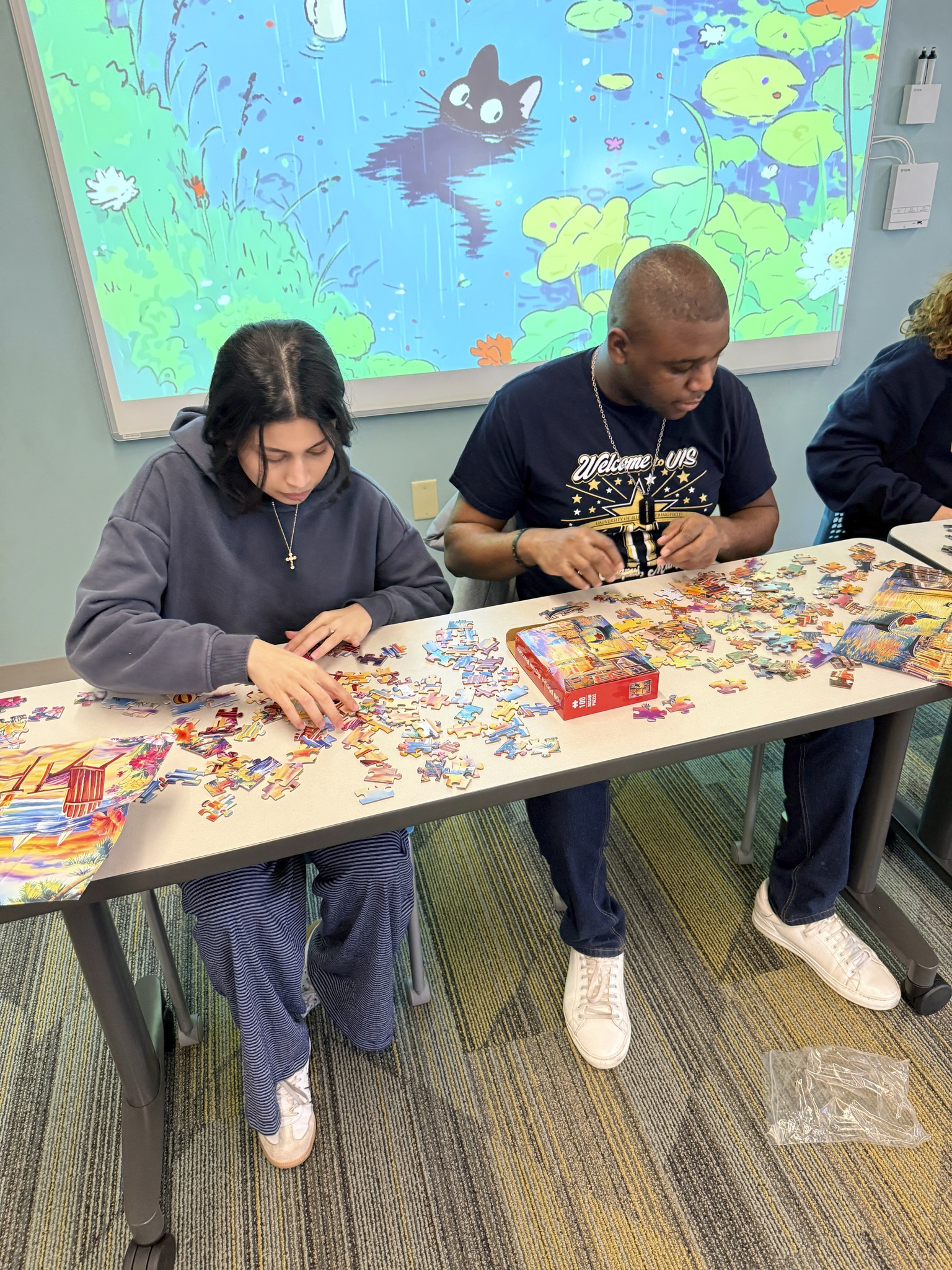
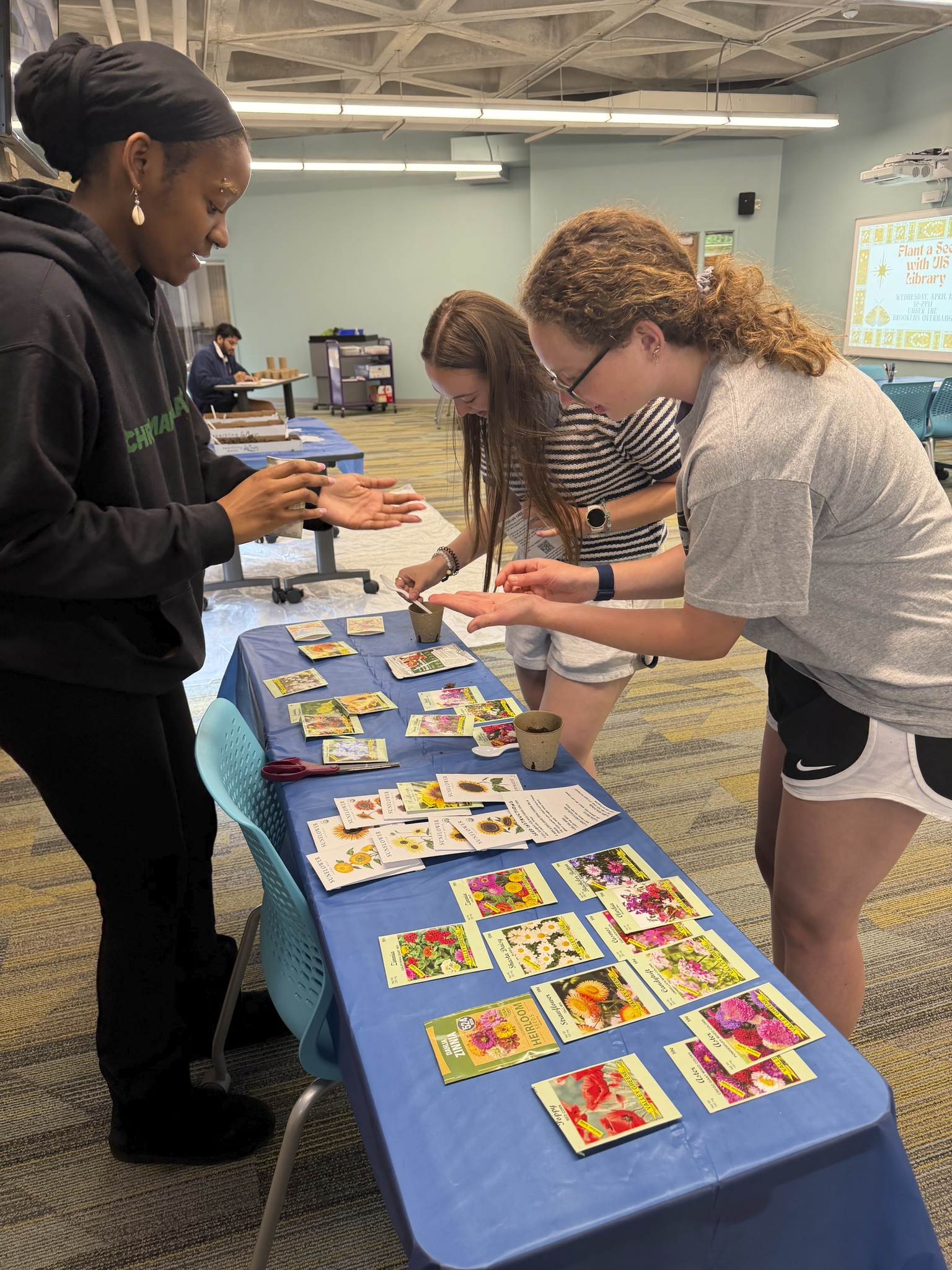
The University Library deepened its role as a place of learning, connection, and belonging. More than 425 participants engaged in 15 hosted events, tutoring and research support partnerships expanded, and Learning Hub services were further integrated as preparation continues for the future Library Commons.
The Learning Hub continued to build student readiness and academic confidence. New workshops, videos, and resources helped students better understand both the opportunities and limitations of artificial intelligence. Supplemental Instruction also expanded into additional high-demand courses through collaboration with the College of Business and Management.
By the Numbers
- 140 students participated in CAP Honors Program
- 218 students completed internships
- 4 professional development workshops were offered for graduate assistants
These are a few examples that demonstrate how Academic Affairs supports students at multiple points in their journey: as emerging scholars, engaged university contributors, and professionals preparing for life beyond UIS. By helping students connect early, navigate systems, and access support when they need it, the division reduced barriers to persistence and strengthened students’ sense of belonging.
First-Year Seminar and Engaged Citizenship Common Experience (ECCE) continued to give students a strong foundation for their UIS experience. More than 230 students completed First-Year Seminar courses that incorporated financial literacy, academic planning, and student success strategies. Another 728 students participated in ECCE Speaker Series events on topics ranging from sustainability to philosophy and emerging technologies. Together, these experiences encouraged students to see their education as preparation for making a difference in the world.
Academic Affairs also strengthened collaboration with Student Affairs and Enrollment and Retention Management through a pilot student "nudge" campaign for online learners who had not yet accessed their Canvas courses. After implementation, the Registrar reported a 25% reduction in non-attendance letters.
Online, Professional, and Engaged Learning supported student success by improving course accessibility and expanding faculty development. More than 150 courses participated in the accessibility review process, and overall accessibility scores improved from 66% to 71%, expanding access to more inclusive course materials and learning experiences.
Impact in Action: Citizenship Saturday
Citizenship Saturday offered students a powerful example of what happens when classroom learning meets the community around us. Thirty-two students and three faculty members participated in an immersive Springfield experience focused on local history, community organizations, small businesses, environmental stewardship, and the arts. Along the way, students considered what it means to be engaged citizens and how their UIS education can connect them more deeply to the places where they live, learn, and serve.
Advancing Student Success Through Transformative Learning
NorthStar Focus: Student-Centered
Students often discover what they are capable of when learning extends beyond the classroom. The Provost’s Office Good Idea Fund awarded $46,033 to 16 projects this year, expanding students’ access to research, creative activity, internships, civic engagement, and applied learning experiences that helped them test ideas, solve problems, build professional skills, and explore future possibilities. These experiences connected learning with purpose and helped students see how their UIS education can prepare them for meaningful work and engaged citizenship. Some highlights from participating students are included below.
Prairie Star Partners for Public Health Education and Assessment
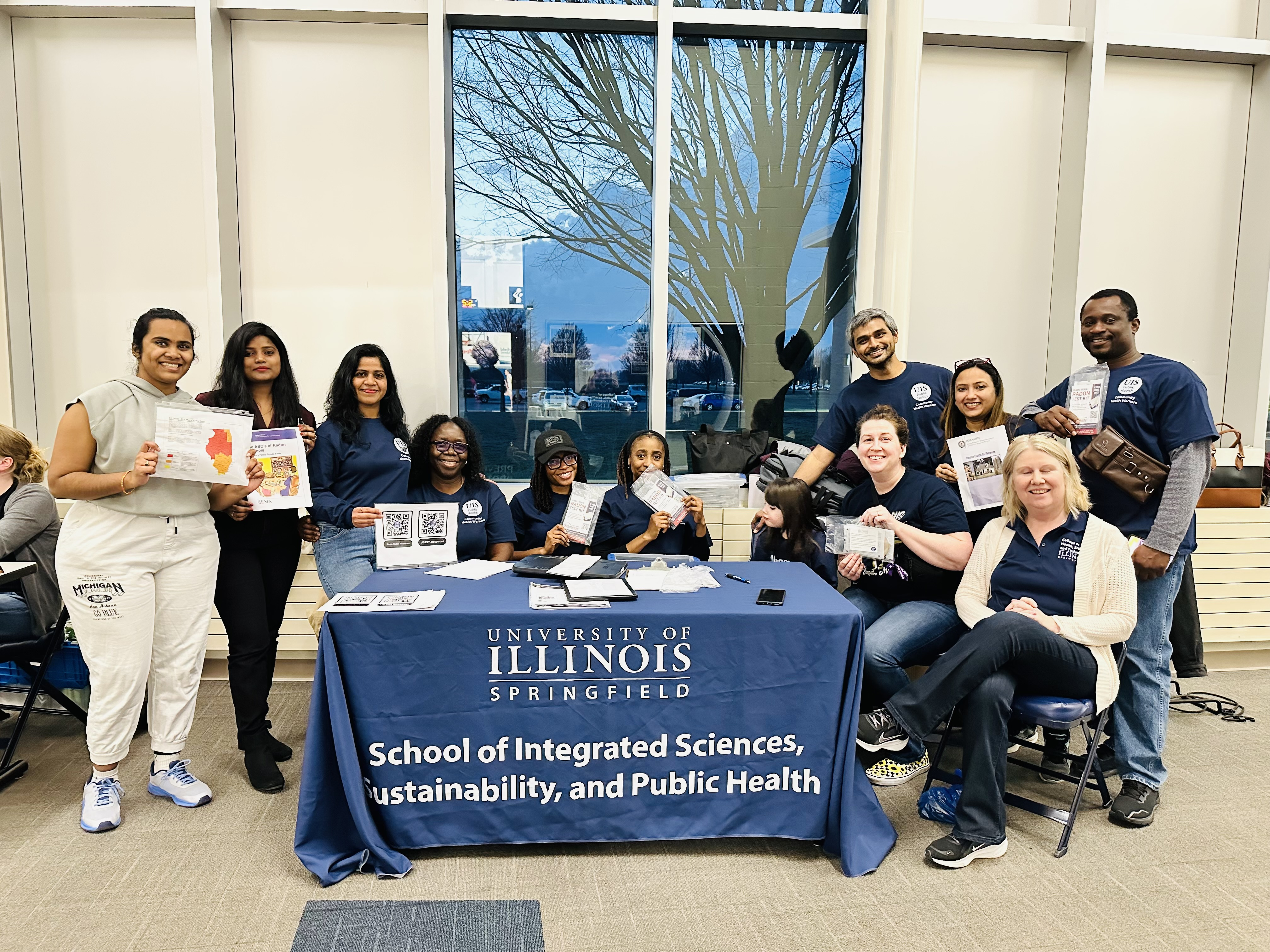
Public Health graduate student Nkechi Ogwuazor joined Professors Jessica Madrigal and Maria Bondesson Bolin in the Prairie Star Partners initiative. She described the experience this way: “Participating in the radon outreach event at the library was one of the most meaningful hands-on public health experiences I have had at UIS. . . .
“One of the biggest lessons I took from the experience was that awareness and action are not always the same thing. Many people had never heard much about radon, but once the risks were explained clearly and the testing process was made simple, they were genuinely interested in learning what steps to take for their homes. It showed me that people are often willing to protect their health when barriers like confusion, inconvenience, or lack of access are removed.
“The experience also strengthened my interest in community-based public health work. It showed me that impact does not always come from large-scale programs. Sometimes it comes from meeting people where they are . . . .“
Innovation and Future Readiness: Expansion of the UIS AI Cluster
When Md Tariqul Islam came to UIS to pursue a Master of Science in Data Analytics, he already had strong technical skills. Through his research experience with Professor Goutham Reddy Alavalapati, he discovered a passion for applying those skills to develop AI-driven solutions to real-world challenges. As part of a competition, Tariqul created a tool that identifies career skills gaps and recommends professional development pathways. Expanded computing resources available through the Good Idea Fund UIS AI Cluster initiative proposed by ITS' Kara McElwrath allowed him to work with large datasets and conduct research at a level that would not have been possible otherwise. He credits the experience and Professor Alavalapati with opening his eyes to the possibilities of research and inspiring him to pursue impactful, problem-solving work.
Student Creatives and Artists Leading Entrepreneurship (SCALE) Conference
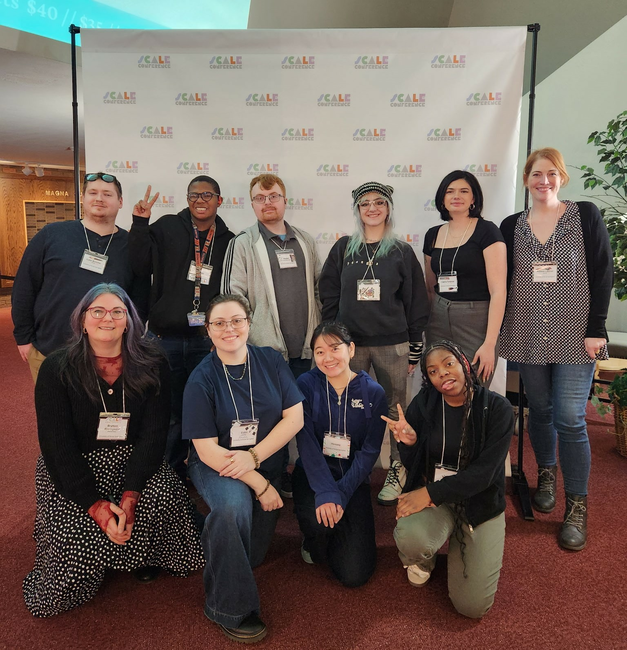
Honoka Adachi, who is pursuing a BA in Visual Arts, explained the impact of her experience: “At the conference, we were given the opportunity to connect and share experiences in an environment filled with people who are passionate about becoming artists and entrepreneurs. It was such a meaningful experience . . . . The lectures we attended inspired and motivated us to continue pursuing a career as artists.” Allison Lacher, Instructor and Director of the UIS Visual Arts Gallery, and Brytton Bjorngaard, Professor of Graphic Design and Director of Visual Arts, joined students at the regional event.
UIS Social Media Creator Program
The UIS Social Media Creator Program gave students another way to connect classroom learning with professional practice. Braden Nuttall, Communication major, said, “The UIS Social Media Squad was exactly what I was looking for . . . . this program was a wonderful opportunity for me to gain hands-on experience on camera and build a portfolio . . .”
Elementary Education major Corinna Thomas described her experience: “. . . . I’ve helped with filming content, pitching ideas, and advertising for various student organizations, which has enabled me to be more involved in sharing and promoting campus life. Overall, this program has helped me grow in my creativity, collaboration, and confidence . . .”
Impact in Action: Good Idea Fund
Although each Good Idea Fund experience was unique, the outcome was remarkably consistent: students gained a clearer sense of purpose, expanded their understanding of potential career pathways, and developed the confidence to apply their learning in meaningful ways beyond UIS. Taken together, these examples show how targeted investments can help students test career interests, build professional skills, and connect academic learning to future possibilities.
Empowering Faculty and Staff to Excel
NorthStar Focus: Growth-Minded | Fiscally Responsible
Academic excellence depends on faculty and staff who have the time, resources, and support to grow, innovate, and sustain high-quality work. During 2025–26, Academic Affairs invested in professional development, research capacity, technology, and institutional infrastructure that strengthened UIS’ ability to deliver excellent teaching, mentoring, scholarship, advising, and student support. These investments were ultimately investments in students: in the quality of their learning, the strength of their mentoring relationships, the research experiences they can access, and the futures they are preparing to build.
Teaching Excellence
Opportunities for faculty to strengthen teaching, mentoring, and inclusive learning expanded through the Center for Faculty Excellence. Faculty Associates Jennifer Martin and Daniel Platt launched the Provost’s Certificate for Excellence in Professional Development, the Peer Review of Teaching Program, mentoring resources, and more than 20 talks, workshops, and panel discussions attended by 118 UIS faculty and staff. Together, these efforts supported a culture of continuous improvement in teaching and learning.
Digital and Research Infrastructure
Academic Affairs strengthened the digital infrastructure that supports student access, advising, learning continuity, and research. Information Technology Services (ITS) completed a campus-wide Wi-Fi 6 upgrade, improved access to digital resources, enhanced business continuity planning, advanced the next-generation AdviseU platform, and expanded AI and high-performance computing resources.
Across the colleges, faculty continued preparing students for emerging fields and public service. The College of Business and Management (CBM) advanced work in artificial intelligence, cybersecurity, healthcare informatics, and entrepreneurship; the College of Liberal Arts and Social Sciences (CLASS) expanded humanities-and-AI initiatives; and the College of Public Affairs and Education (CPAE) strengthened scholarship in media literacy, public policy, and law. Enhanced research infrastructure, including the new Office of Laboratory Safety in the College of Health, Science and Technology (CHST), also improved research quality and supported interdisciplinary research development.
The Office of Research and Sponsored Programs (ORSP) expanded direct support for faculty pursuing external funding through new time-release awards to develop competitive grant proposals, a redesigned mentoring program that pairs faculty with structured year-long guidance through proposal submission, and several research-related workshops. These efforts contributed to 103 proposals submitted during the year.
Beyond proposal development, ORSP strengthened compliance support for research already underway. The Institutional Review Board (IRB) helped faculty, staff, and students navigate a growing and increasingly complex protocol load, ensuring federally compliant human-subjects research across 55 research projects, a 12% increase over the previous year.
By the Numbers
- 17 undergraduates and 20 graduate students were awarded $14K of internal grants to support research
- $17.8 million in external funding was secured by UIS faculty and staff
- External funding equaled 13.2% of the university operating budget
- 54 investigators participated with ORSP, representing 26% of faculty
Student Technology, Arts, and Research Symposium (STARS)
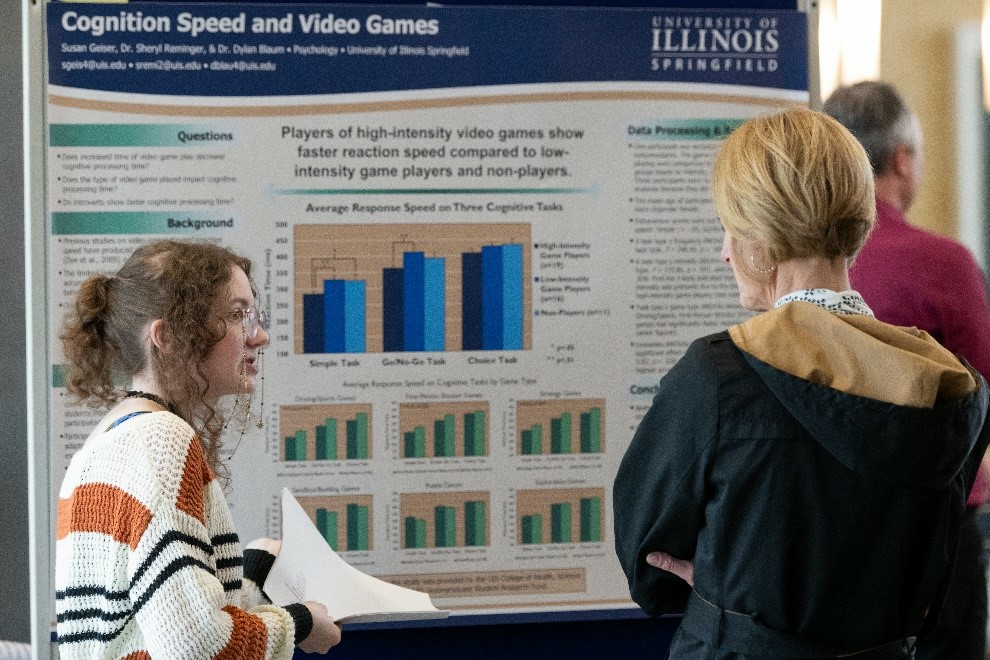
STARS participation continued to grow, with student involvement increasing by more than 10% and faculty mentor engagement increasing by more than 84%. The photo shows student Susan Geiser discussing their research poster with Chancellor Gooch at this year's STARS event.
Also at STARS, Communication and Media master’s student Bwayisak Tanko was honored with the Chapin Outstanding Master’s Project Award for “Accents and Acceptance,” a documentary that spotlights the communication experience of international students attending a university and experiencing acculturation.
Impact in Action: Undergraduate Research
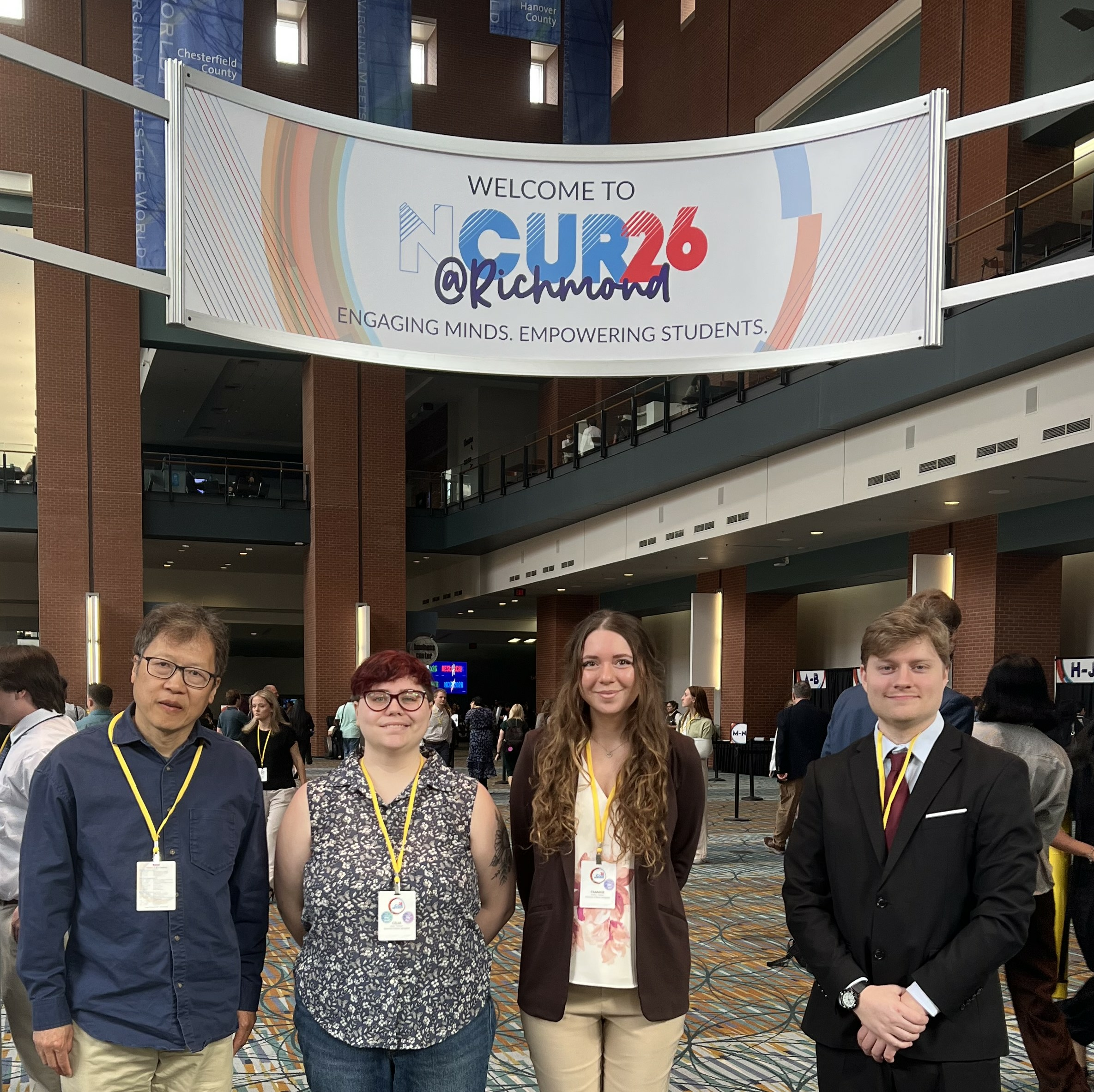
This spring, three UIS undergraduates brought their research to a national audience at the National Conference on Undergraduate Research (NCUR) in Richmond, Virginia. Their projects spanned humanities, environmental science, and biomedical research, demonstrating the breadth of mentored scholarship at UIS and the confidence students gain when they are invited to share their work beyond campus.
Celia Christen, an undergraduate mathematics major, presented research completed with mentor Dr. Peter Shapinsky. Her project explored the cultural and personal history of a kurotomesode, a formal Japanese wedding kimono, and considered how the garment reflected identity and self-expression during the Meiji era. Her work combined historical inquiry with hands-on research, including travel to St. Louis to interview a kimono expert and visit a museum exhibit.
Brandon Meis, an undergraduate biology major, presented research guided by Dr. Hua Chen. Over two semesters, he reviewed 40 peer-reviewed studies on microplastics in croplands, focusing on how they may affect crop yields, soil carbon dynamics, and human health risks through the food supply. His project connected environmental research to questions with real-world agricultural and public health implications.
Frankie Molitor, also an undergraduate biology major, delivered an oral presentation on research conducted with mentor Dr. Natalya Zinkevich. Her project examined how the β1.2 auxiliary subunit affects cell survival in Kv1.5-expressing HEK293T cells exposed to physiological levels of lactate, with potential relevance to cardiovascular conditions such as ischemia and arrhythmia. Frankie Molitor described the experience: “I had to explain my work clearly to people from different academic backgrounds and disciplines. Answering questions after my talk challenged me to think quickly and communicate my research in a way others understood. This experience helped me build confidence in public speaking, abstract writing, and to network and discuss my work with new people.”
Together, Celia Christen, Brandon Meis, and Frankie Molitor illustrate the power of undergraduate research at UIS: students working closely with faculty mentors, pursuing original questions, and stepping onto a national stage prepared to contribute to scholarly conversations. Their NCUR presentations reflect individual achievement as well as the university’s broader commitment to experiential learning, faculty-student collaboration, and opportunities that help students grow as researchers, communicators, and emerging professionals. The UIS Undergraduate Student Research Program and the Good Idea Fund helped make this professional opportunity possible.
Creating Mission-Aligned, Market-Responsive Programs
NorthStar Focus: Market-Relevant Academic Portfolio
Students are preparing for a world that is shifting quickly. As workforce needs and student expectations continue to evolve, Academic Affairs remained focused on ensuring that academic programs prepare students for emerging opportunities and meaningful careers. During 2025–26, UIS expanded pathways into growing fields, increased access to flexible learning opportunities, and strengthened connections between academic preparation and professional success.
CPAE prepared for a new Paralegal Pathway that expands access to legal and public-service careers for students seeking flexible and workforce-responsive educational options. Other new programs designed to prepare students for careers in public service and leadership include a fully online Master of Arts in Communication and a Public Leadership Minor.
CBM opened new hands-on learning opportunities through the Sean and Taryn Grant/Landmark Auto Bloomberg Finance Lab. Students now have access to industry-standard financial tools and analytics, and 35 local high school students gained experience using Bloomberg Terminals during a spring learning experience.
CHST strengthened workforce pathways, expanded industry partnerships, and offered a nationally recognized online psychology program, now ranked seventh nationally and the highest-ranked public online psychology bachelor’s degree in Illinois. The college has also advanced planning for UIS' first bachelors of applied science in engineering tech.
The School of Health Sciences, with support from the Center for Online Learning, Research and Service, built the new Medical Laboratory Science (MLS) online degree-completion pathway. Nine Athletic Training graduate students participated in a large-scale emergency response simulation, gaining hands-on interprofessional training with healthcare and public safety partners.
Impact in Action: Career Preparation
Across our four academic colleges, students gained experiences that connected classroom learning to career outcomes. These opportunities help students see the relationship between what they are learning now and the lives, careers, and communities they are preparing to serve.
Using Evidence to Strengthen Student Success and Sustainability
NorthStar Focus: Academic Portfolio Review and Prioritization | Fiscally Sustainable
Good decisions begin with good questions. Throughout the year, Academic Affairs invested in building a stronger culture of evidence and continuous improvement across the university. By expanding the use of evidence and analytics, the division helped create a clearer picture of student experiences, program performance, and institutional opportunities. These efforts support thoughtful planning, responsible stewardship, and a shared commitment to student success.
The Office of Institutional Research and Effectiveness (OIRE) successfully implemented the university’s first full-scale Academic Portfolio Review. Early outcomes included degree pathway simplification, improved catalog accuracy, the reduction of concentrations, and the sunsetting of low-enrolled programs. Using dashboard scorecards and institutionally developed evaluation criteria, academic units proposed action items that focused on quality improvement, growth opportunities, stakeholder engagement, and operational effectiveness.
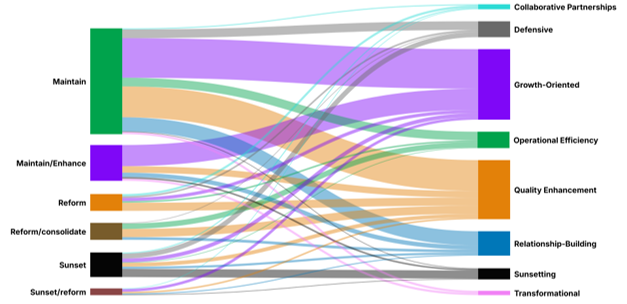
Portfolio review, scheduling reform, enrollment analysis, and related initiatives also helped position UIS to make more informed decisions, align resources with institutional NorthStar priorities, and strengthen long-term sustainability while remaining responsive to student needs. These efforts are not only about managing programs and resources. They are about creating the conditions for students to move through their academic pathways with greater clarity, consistency, and support.
OIRE also expanded the university’s analytics and decision-support capacity. New dashboards, economic feasibility studies, and enrollment analyses helped leaders identify risks more effectively and allocate resources in ways that better support students. OIRE helped translate institutional data into student-focused action. The office helped launch the University Experience Survey Action Group, supported National Survey of Student Engagement administration, and contributed benchmarking and recommendations for retention planning efforts.
By the Numbers
- 154 academic programs participated in the Academic Portfolio Review
- 379 action items emerged from program review and planning efforts
- 30+ stakeholders participated in the reconvened Institutional Data Advisory Group
Institutional effectiveness was strengthened through accreditation readiness, assessment infrastructure, scheduling reform, and governance transparency. As a result of these efforts, a more student-centered course schedule grid has been proposed for AY 27–28. Together, these initiatives help ensure that decisions are better informed, resources are more closely aligned with student needs, and the university remains focused on both mission and sustainability.
Impact in Action: NorthStar Priorities
Accreditation is one of the most important ways a university demonstrates its commitment to quality, accountability, and continuous improvement. During 2025–26, faculty, staff, and administrators across UIS advanced preparations for the upcoming HLC Reaffirmation of Accreditation that occurs in Fall 2027. The collaboration created opportunities to reflect on successes, identify areas for improvement, and demonstrate how UIS fulfills its mission in support of students and the region. While the work continues, the effort behind it represents a shared commitment to providing students with a high-quality educational experience and using evidence to continuously strengthen the university.
Deepening Belonging, Engagement, and Regional Impact
NorthStar Focus: Mission-Aligned
UIS’ academic mission reaches beyond the classroom. As a public regional university, UIS prepares students while also strengthening the civic, cultural, and economic life of Illinois communities and beyond. The work highlighted here reflects that broader purpose: building connections, expanding access to learning, preserving stories, supporting public service, and inviting students to understand their education as part of something larger than themselves.
Civic and Public Impact
The Center for Lincoln Studies, in conjunction with Looking for Lincoln, welcomed middle-school students to campus through the LEAD: Spirit of Lincoln Youth Leadership Academy and, with the History Department, has been invited to contribute to regional public history through the Legacy of Resilience project for the future 1908 Race Riot exhibit.
The Center for State Policy and Leadership, Sangamon Experience, and Office of Electronic Media (OEM) expanded community impact through research, storytelling, and public engagement. A traveling exhibit, “Radio That Listens to You: 50 Years of NPR Illinois,” brought together university and community members while preserving an important chapter of regional history. Sangamon Experience director of engagement and curator Anne Moseley and recent History MA graduate Evie Rodenbaugh created and installed the exhibit. OEM’s professional production capacity was recognized with a Silver Telly Award for its Illinois State Fair promotional video.
Impact in Action: Advancing Justice
The Illinois Innocence Project advocated for House Bill 3663, which provides greater restitution to individuals wrongfully convicted and imprisoned in Illinois. The bill was signed into law in July, and courts may now award up to $50,000 per year of wrongful imprisonment to assist exonerees as they move forward with their lives. Student interns have been part of bringing freedom to 34 innocent individuals in Illinois since 2001.
Community Learning
CHST expanded Science, Technology, Engineering and Mathematics (STEM) outreach through partnerships with schools and community organizations, engaging more than 3,600 K–12 students and families through the STEM Fair and CareerSpark Expo.
CBM hosted its third annual High School Stock Trading Competition. Professors Serkan Karadas and Minh Tam Tammy Schlosky engaged high school students in a simulated stock trading environment that promoted financial literacy and sparked interest in UIS academic programs.
Neetu Singh organized the UIS Day of AI, engaging approximately 400 high school students and promoting AI literacy in the community. These outreach efforts extend UIS’ public mission by helping younger learners see college, STEM, finance, and public service as accessible futures.
By the Numbers
- 2,000+ eighth-grade students engaged through CareerSpark Expo activities
- 1,600+ students and families participated in the Central Illinois STEM Fair
- 247 high school students took part in the High School Stock Trading Competition
These activities expanded educational access, encouraged civic participation, and introduced thousands of young people throughout Illinois to future opportunities in higher education, STEM, public service, and professional careers.
Cultural and Scholarly Engagement
CLASS and CPAE partnered to host a multidisciplinary AI Symposium, expanding dialogue on the future of teaching, research, and public service. The region’s first Undergraduate Public History Conference also advanced student scholarship by bringing together students, including 16 student presenters, from institutions across the Midwest.
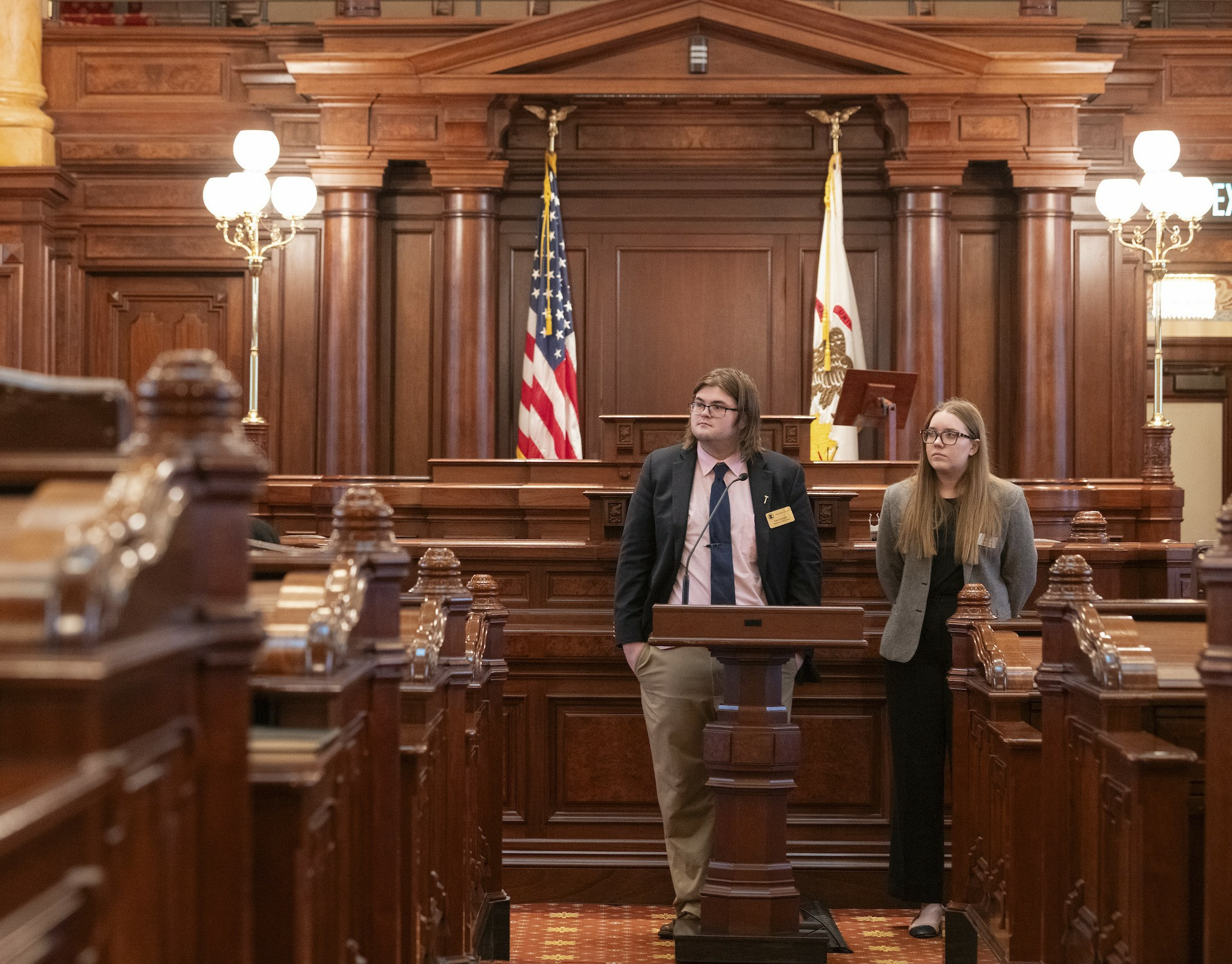
UIS students earned the Outstanding Large Delegation Award at the Model Illinois Government (MIG) simulation in the Spring. John Kennedy served as President of the Senate (and was re-elected for 2027), with Abbie Hasty as his Chief of Staff. In a community announcement, Ken Owen, faculty advisor and associate professor of history, described the impact: “Students didn’t just learn valuable lessons about how government operations. They also strengthened their preparation, public speaking leadership and teamwork skills while supporting each other throughout the weekend.”
Other students participated in Model United Nations (UN) 2026 in New York, where UIS celebrated nearly four decades of participation and competed for delegation awards.
Impact in Action: Global Citizenship
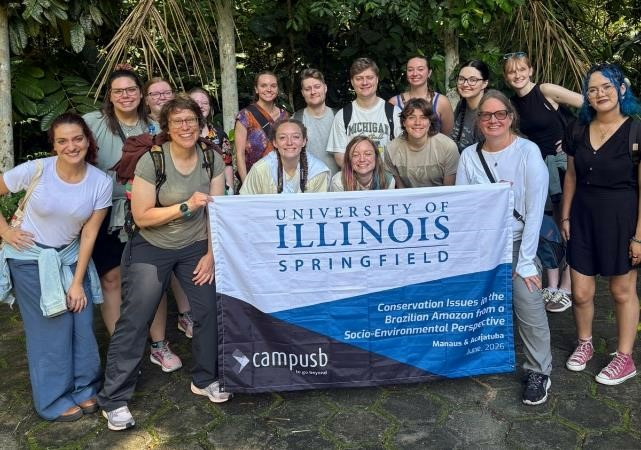
Study Away, exchange programs, and global partnerships continued to grow as 30 students studied in Brazil, Guatemala, Japan, South Korea, and the Netherlands. A new faculty-led Brazil experience with Professors Amy McEuen and Megan Styles, with support from the Brasillinois Initiative, brought together sustainability, conservation, and community engagement. These experiences help students expand their perspectives, build cross-cultural understanding, and connect their UIS education to global questions and shared responsibilities.
Whether conducting research, engaging with local communities, studying abroad, or participating in civic and cultural initiatives, UIS students expanded their understanding of the world and the role they can play within it. These experiences reflect the university’s commitment to preparing informed, engaged citizens who contribute to their professions, communities, and society.
Looking Ahead
The accomplishments highlighted in this report show the concrete impact of Academic Affairs’ work toward advancing the UIS mission. Students received more timely support. Faculty and staff expanded academic excellence. Programs responded to workforce needs. Partnerships strengthened UIS’ role as a public regional institution. These outcomes are meaningful because they reflect the daily work of many people across the university who continue to support students and one another with care, creativity, and purpose.
Looking ahead, Academic Affairs will build on the progress of 2025–26 by focusing on five priorities:
- delivering a mission-aligned, market-responsive academic portfolio,
- advancing fiscal stewardship and operational efficiency,
- strengthening student retention, persistence, and academic success,
- cultivating a culture of excellence, collaboration, and continuous improvement, and
- enhancing academic impact and visibility.
These priorities reflect a shared commitment to helping every UIS student thrive—from the first day of enrollment through graduation and beyond—and supporting faculty and staff in that work. By aligning academic excellence, student opportunity, and regional impact, Academic Affairs will continue advancing the UIS mission and preparing students for meaningful careers, engaged citizenship, and lives of leadership and contribution.
As we continue this work, the path forward will require focus, collaboration, and care. It will also require us to keep returning to the purpose that grounds Academic Affairs: supporting students, strengthening programs, serving our region, and building a university where people can do meaningful work together. Thank you to the faculty, staff, students, and partners whose efforts made this year’s progress possible. Their work is the story of this report, and it is the foundation for what comes next.
Academic Affairs Purpose Statement
Academic Affairs advances the mission of the University of Illinois Springfield. We aim to be a leader in student success and academic innovation recognized for delivering mission‑aligned, market‑responsive programs; cultivating a culture of belonging and academic excellence; and strengthening UIS as a public regional institution.
We envision an academic enterprise where every student receives the support needed to achieve their goals, data guide decisions, and faculty and staff are empowered to excel.
Thanks for Reading
The accomplishments highlighted here reflect the dedication, innovation, and collaboration of colleagues across Academic Affairs as we work to support our students. We are excited to build on this momentum, pursue new opportunities, and continue advancing our shared mission. We welcome your feedback and invite you to connect via the "contact us" link below.
- Provost Brandon Schwab
The Academic Affairs Annual Impact Report is published by the Office of the Provost
The report covers Fall 2025 through Summer 2026
Meet the Provost's Leadership Team